
FDA-Compliant Medical Assembly Machines: Key Design Considerations for Automation Equipment Manufacturers
Medical device manufacturers operate in one of the world’s most highly regulated industries. Although automated assembly machines themselves are generally not classified as FDA-regulated medical devices, the equipment used to manufacture medical products must often support customers in meeting FDA quality and regulatory requirements.
For automation equipment suppliers, FDA compliance is not about obtaining FDA approval for the machine itself—it is about designing equipment that enables customers to manufacture compliant products while maintaining complete traceability, documentation, and process consistency.

1. Machine Design Should Support FDA Compliance from the Beginning
A medical assembly machine should be designed with compliance, reliability, and traceability in mind.
Typical customer requirements include:
- Control systems programmed according to IEC 61131-3.
- PLC programs and motion controller drivers stored on removable memory cards to simplify backup and controller replacement.
- Complete backup and recovery procedures are provided for all machine software and control systems.
- A user-friendly HMI requiring minimal operator training.
- Graphical machine layouts on the HMI for quickly identifying open safety doors, alarms, warnings, and station status.
- Electronic records configured, when required, to comply with FDA 21 CFR Part 11.
- Audit Trail functionality that records manual operations such as:
- Production start and stop
- Recipe selection and modification
- Process parameter changes
- Configuration edits
- Operator login history
- Alarm acknowledgement and system events
These features help customers establish complete production records and satisfy validation and audit requirements.
2. FDA Compliance Is About More Than the Machine
Our assembly equipment generally does not require FDA approval before being sold.
However, customers manufacturing medical devices usually require that all product-contact components comply with applicable FDA requirements while supporting:
- Product traceability
- Quality management
- Process consistency
- Validation documentation

3. Product-Contact Materials Require Supporting Documentation
Selecting the correct material is only the first step. Proper documentation is equally important.
Stainless Steel
SUS304 and SUS316 stainless steel are widely used in medical automation equipment because of their excellent corrosion resistance and hygienic properties.
Customers normally require:
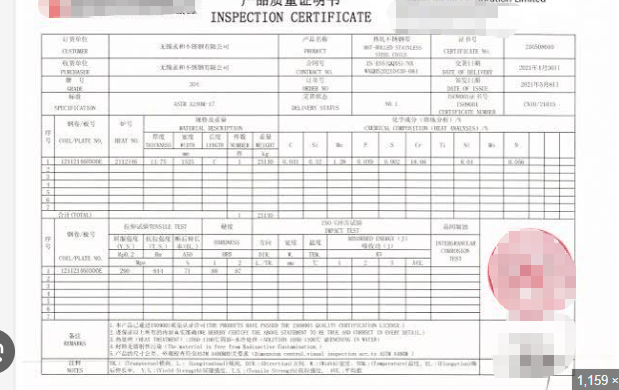
- Material Test Certificates (MTC)
- Mill Certificates
- Material traceability documentation
These documents verify the chemical composition and origin of the stainless steel used in product-contact areas.
Nylon Components
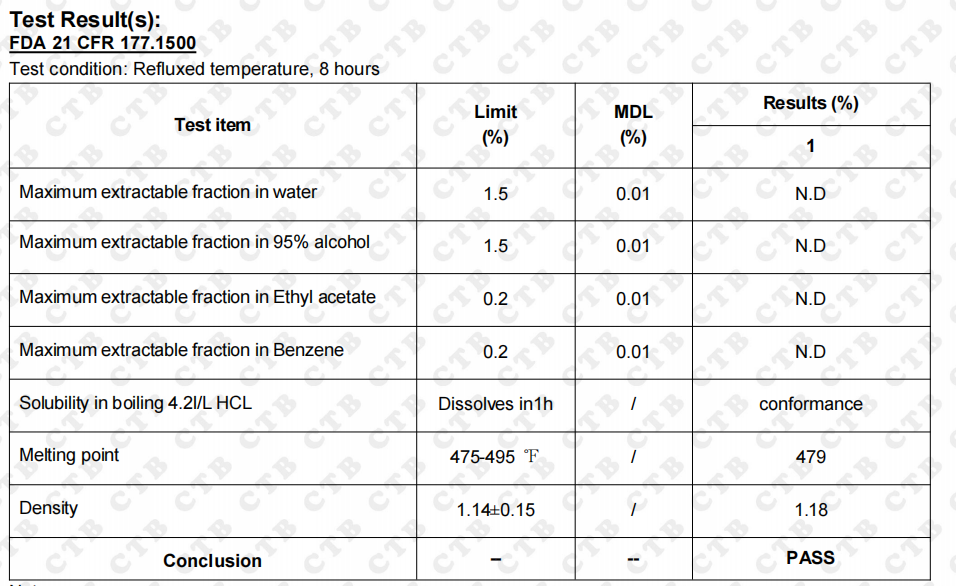
Not every PA6 or PA66 material is suitable for medical or food-contact applications.
Only specific grades formulated for these applications can satisfy customer requirements. Appropriate compliance documentation or laboratory test reports should be available to demonstrate suitability.
Ceramic Components
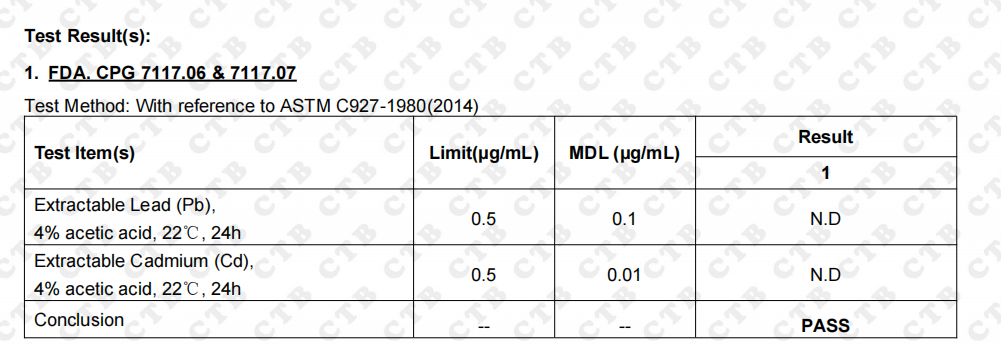
Ceramic materials follow the same principle.
Only qualified ceramic materials intended for medical or food-contact applications should be used in product-contact areas. Supporting laboratory reports should be provided whenever required.
Food-Grade Lubricants
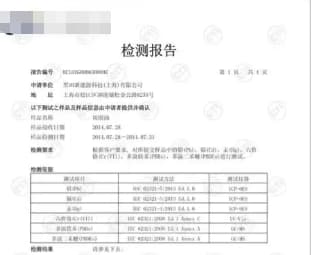
Equipment used in medical device, pharmaceutical, biotechnology, and food manufacturing environments should use NSF H1 food-grade lubricants wherever incidental product contact may occur.
Customers often request documentation confirming the lubricant’s compliance for these applications.
4. Documentation Alone Is Not Enough
Providing certificates and laboratory reports is only part of the solution.
Medical device manufacturers must be able to quickly identify every regulated component during audits, maintenance, and replacement.
For this reason, equipment documentation should also include:
- Component locations within the machine
- Assembly drawings
- Component photographs
- Part numbers
- Material identification
- Associated certificates and test reports
This enables maintenance personnel and quality engineers to locate every critical component quickly, improving both service efficiency and regulatory traceability.
5. Design for Easy Traceability and Maintenance
Every design decision should support two primary objectives:
- Help customers meet FDA-related compliance requirements.
- Enable customers to quickly identify, inspect, and replace regulated components throughout the machine’s lifecycle.
Good documentation not only supports regulatory inspections but also significantly reduces machine downtime during maintenance and spare part replacement.
6. Plan Enough Time for Material Verification
Material testing should be included in the project schedule from the very beginning.
Certification or laboratory testing typically requires 2–3 weeks, depending on the testing organization and material type.
To avoid delaying machine delivery, sufficient lead time should be reserved, and testing samples should be prepared in accordance with the laboratory’s sampling requirements. In many projects, customers request multiple specimens for each material to ensure comprehensive testing and verification.
Conclusion
Building an FDA-compliant medical assembly machine involves far more than selecting approved materials.
It requires a complete engineering approach that integrates compliant materials, intelligent control systems, electronic record management, comprehensive documentation, and full component traceability.
At Hotlink, we believe that successful medical automation is achieved not only by building reliable machines but also by helping our customers simplify regulatory compliance, accelerate equipment validation, and maintain complete confidence throughout the entire lifecycle of their production systems.