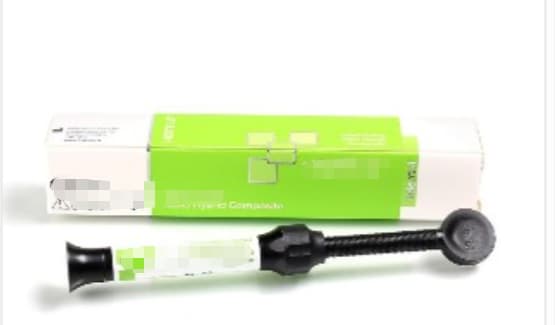
How to Produce Gutta-Percha Points? Complete GP Points Production Solution
Gutta-percha points, also known as GP Points, are widely used in root canal treatment. Producing stable and consistent GP points requires not only suitable manufacturing equipment, but also a reliable material formula and proper process control.
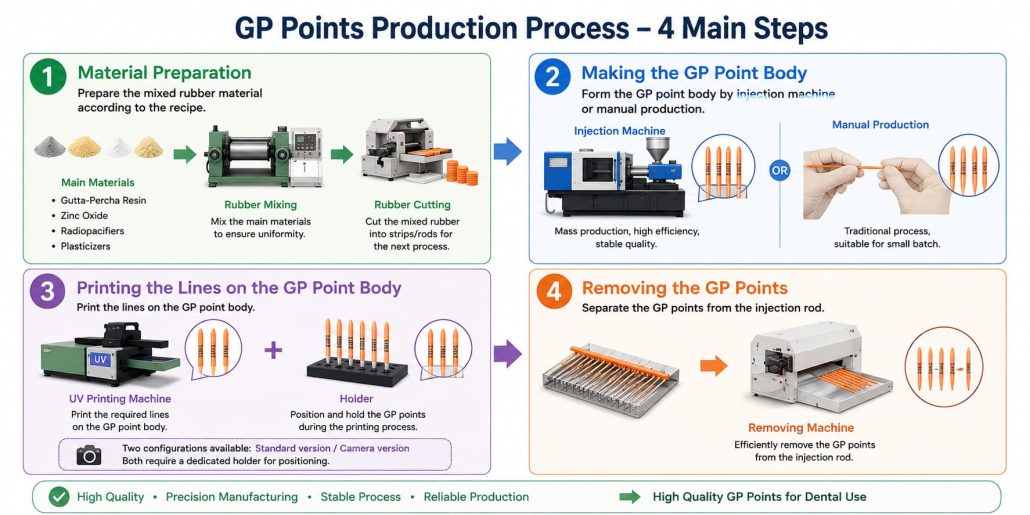
Changzhou Hotlink provides solutions for customers who want to establish a GP Points manufacturing factory, covering material preparation, rubber mixing and cutting, GP point forming, removal and line printing.
Main Materials of GP Points
According to our GP Points production solution, the main material formulation includes:
- Gutta-Percha Resin: approximately 20% – provides the matrix, plasticity and elasticity.
- Zinc Oxide: approximately 60%–75% – acts as the main filler and provides compactness and rigidity.
- Radiopacifiers: approximately 10%–15% – such as barium sulfate or metal salts, allowing the GP points to be clearly visible under X-ray.
- Plasticizers: approximately 3%–4% – waxes or resins used to improve flexibility and flowability.
The material recipe is therefore an important part of GP point production. Different formulations can influence hardness, flowability, ductility and radiopacity.

Step 1: Material Preparation
Customers can either purchase prepared mixed material or produce the material according to a selected recipe.
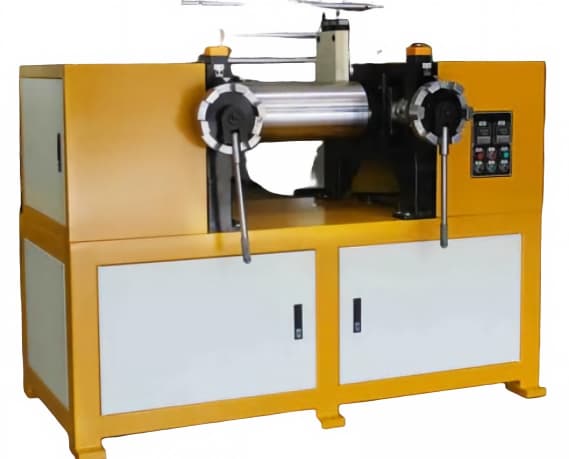
For customers producing their own material, the process requires a Rubber Mixer followed by a Rubber Cutting Machine. The PPT specifies a customized 4-inch rubber mixer, while the cutting machine is also customized for this production process.
Rubber Mixing
The different materials are mixed according to the selected GP point formulation.
This stage is important because the material characteristics directly influence the subsequent forming process and the properties of the finished GP points.
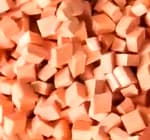
Rubber Cutting
After mixing, the prepared material is processed by the rubber cutting machine so that it can be used in the next production stage.
Step 2: Making the GP Point Body
According to our production process, there are two ways to make the GP point body:
Injection Machine or Manual Production.
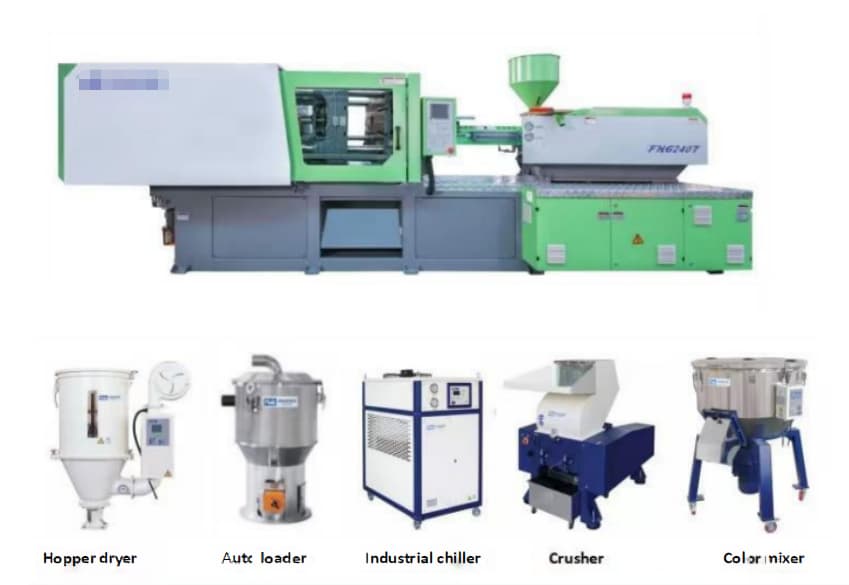
For injection production, the injection molding machine and mold specifications can be selected according to the required production capacity.
For example, the solution in our project uses a 170-ton injection machine with a 60-cavity cold-runner mold. One production cycle is approximately 30 seconds, and the mold material is 718 steel.
The injection molding system is also equipped with supporting equipment, including a Chiller, Feeder, Dryer and Mold Temperature Controller
Step 3: Printing the Lines on the GP Point Body
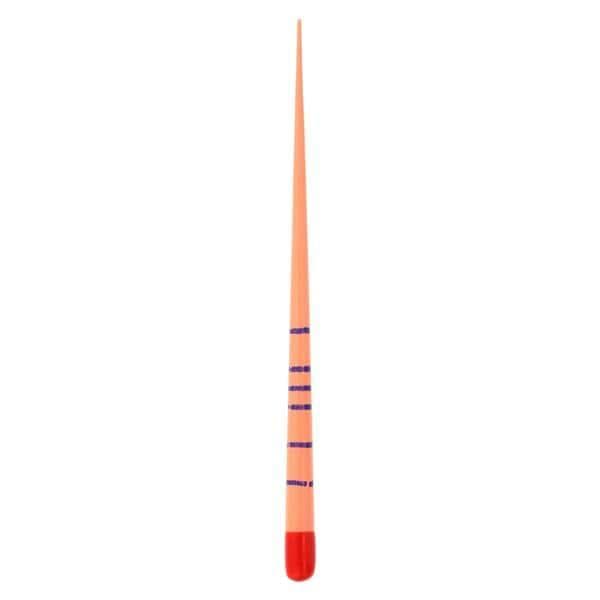
After the GP point body has been produced and removed, lines are printed onto the body.
According to our production solution:
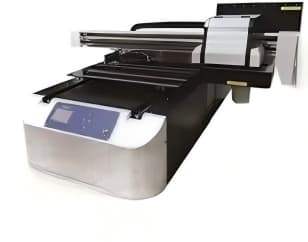
UV Printing Machine + Holder → Line Printing on GP Point Body
The holder positions the GP points during printing, while the UV printer applies the required markings.
Two UV printer configurations are available in the project: a standard version and a version equipped with a camera. Both configurations require a dedicated holder for positioning the GP points during printing.
Step 4: Removing the GP Points
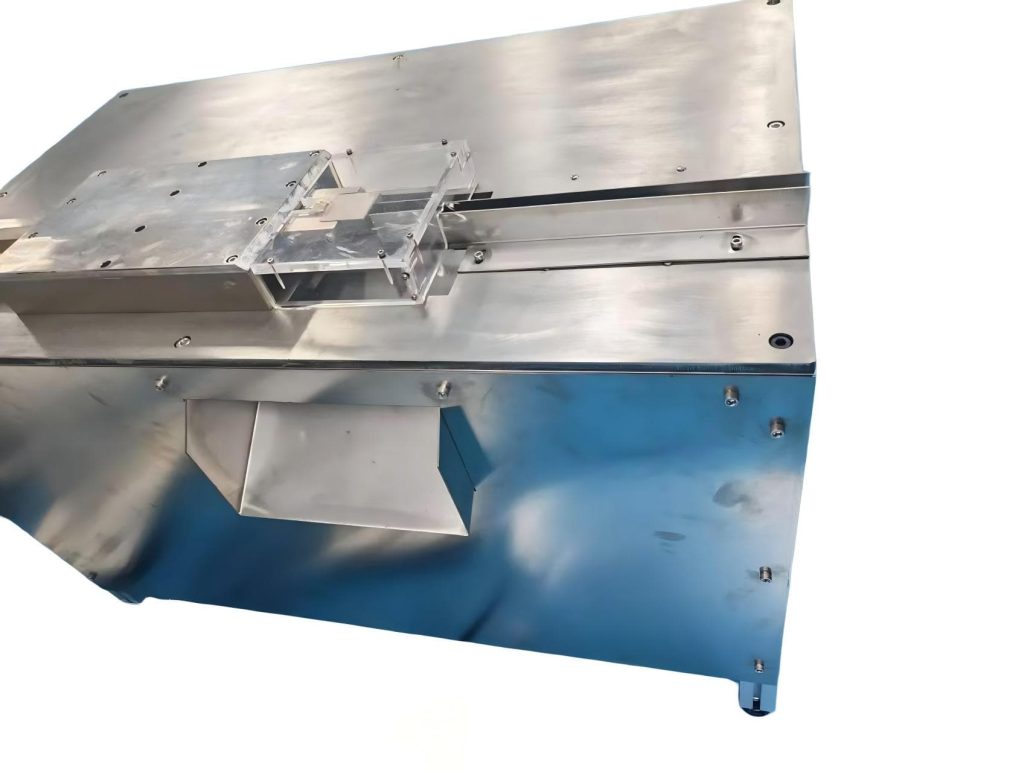
After forming, the GP points need to be separated from the injection rod.
For this process, a dedicated GP Point Removing Machine can be used to remove the formed GP points from the injection rod efficiently.
This process prepares the individual GP points for the subsequent printing operation.
Injection Production vs. Manual Production
One of the important decisions when establishing a GP Points factory is whether to use an injection process or a manual process.
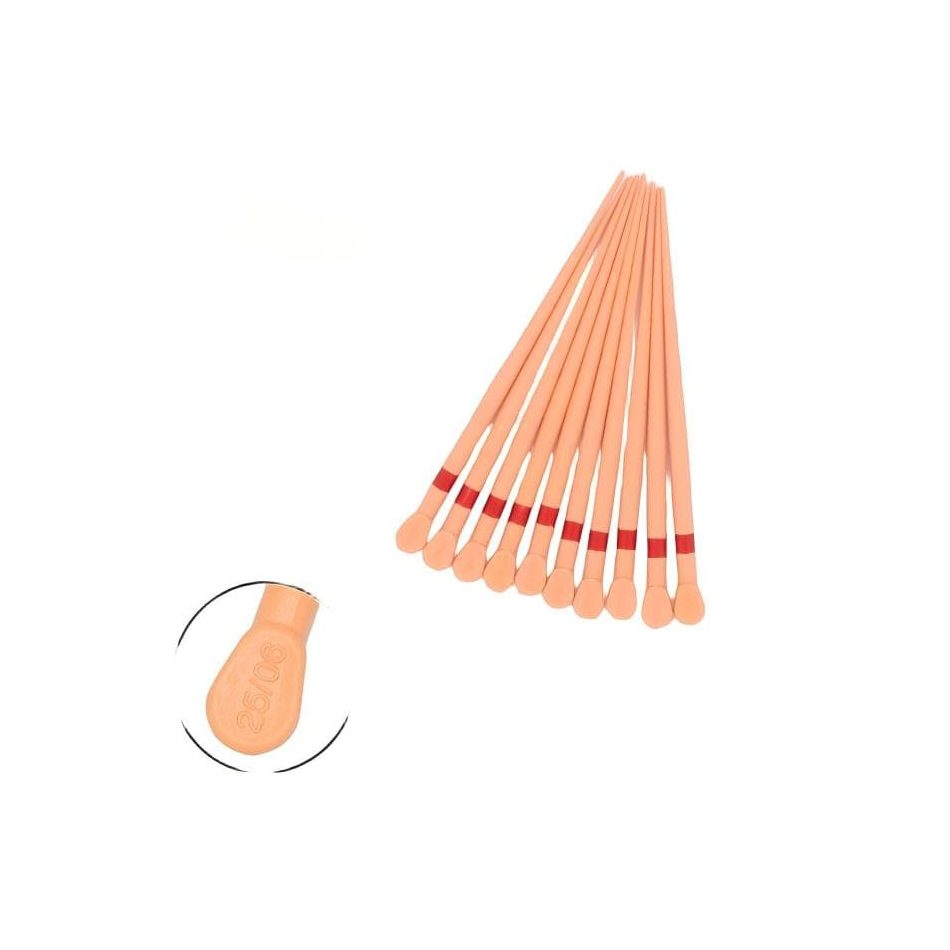
The PPT compares the two methods mainly in terms of production speed and material characteristics. For production capacity, it states that manual production reaches approximately 2,000 pieces per day, while the injection process can produce approximately 2,000 pieces in 17 minutes under the stated conditions.
Therefore, the appropriate production method should be selected according to the manufacturer’s product requirements, production capacity and target market.
Complete GP Points Production Solution
Building a GP Points factory is more than purchasing one machine. The material formulation, mixing process, cutting process, forming method, mold design, removal process and printing process must work together.
The main process can be presented visually as:
Raw Materials / Recipe
↓
Rubber Mixing
↓
Rubber Cutting
↓
Making the GP Point Body — Injection or Manual
↓
Removing GP Points from the Injection Rod (Injection Route)
↓
Printing the Lines on the GP Point Body — UV Printer + Holder
↓
GP Points
More Dental Product Production Lines
In addition to the GP Points Production Line, Changzhou Hotlink provides customized production lines and automation solutions for other dental and endodontic products.
Our solutions cover:
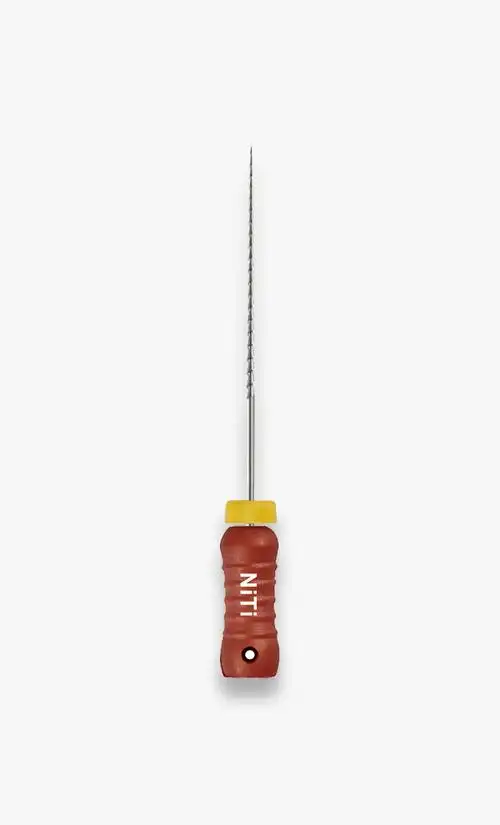
- NiTi Endodontic File Production Line
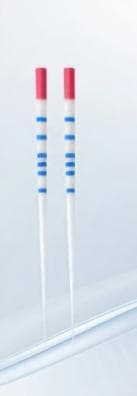
- Absorbent Paper Point Production Line
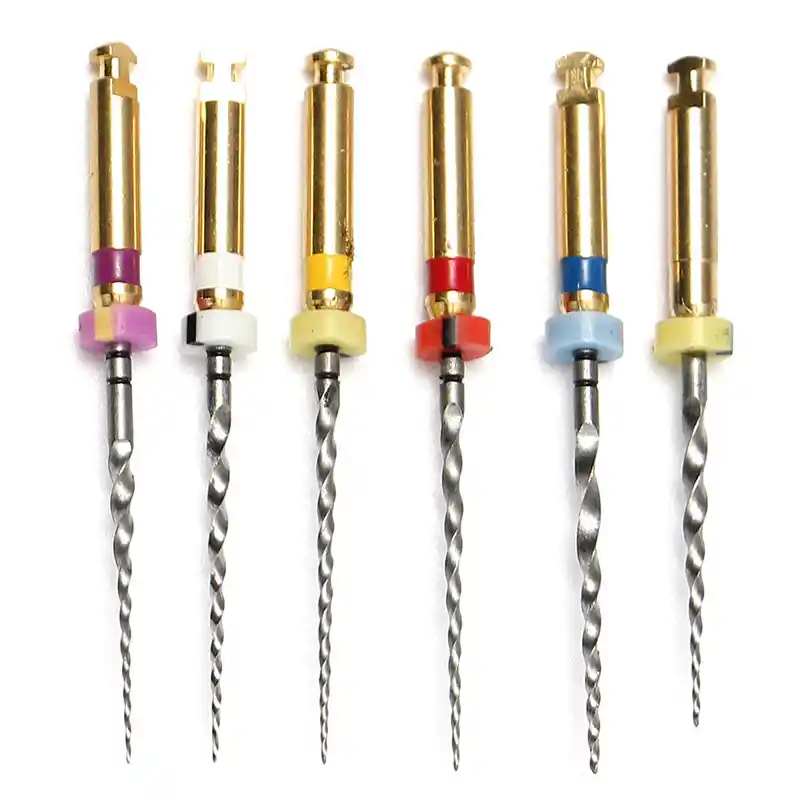
- Dental Rotary File Production Line
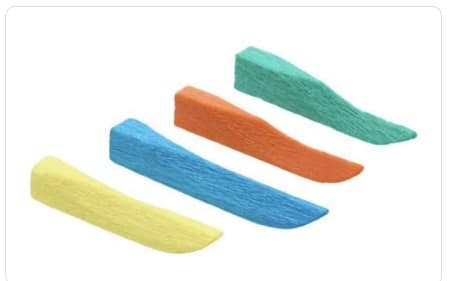
- Dental Composite Resin Production Line
Each dental product requires a different manufacturing process. For example, material properties, product dimensions, production capacity, and quality requirements can all affect the equipment configuration.
Therefore, our engineering team evaluates the customer’s product samples and specifications before developing the production solution. Based on these requirements, we can recommend suitable manufacturing processes, equipment configurations, and automation systems.
Furthermore, customers can choose individual machines or discuss a complete dental product production line with our engineering team.
If you plan to establish a new dental product factory, expand your existing production capacity, or improve your current manufacturing process, contact Changzhou Hotlink for more details.
We can provide additional information about the manufacturing process, machine configuration, production capacity, and customized automation solution for your project.
Contact Us for Your Dental Production Project
Are you planning to manufacture GP Points, Absorbent Paper Points, NiTi Endodontic Files, Dental Rotary Files, or Dental Composite Resin?
Changzhou Hotlink can help you evaluate the production process and select the appropriate equipment for your project. Moreover, our engineering team can develop customized automation solutions according to your product specifications and production requirements.
Contact us to discuss your dental product manufacturing project and learn more about our available production line solutions.