
How to Build an Acupuncture Needles Producing Line
Building an acupuncture needles producing line requires more than purchasing individual machines. A complete factory must include needle-forming equipment, raw materials, cleaning and treatment systems, quality-control procedures, packaging machines, sterilization equipment, and technical training.
Changzhou Hotlink Electronics Co., Ltd. provides a one-stop solution for establishing a copper-handle acupuncture needle factory. The solution can include machines for needle cutting, forming, polishing, spring production, cleaning, testing, packaging, and sterilization, together with the required raw materials and production support.
This article introduces the complete manufacturing process according to the original production sequence.
Equipment, Materials, and Technical Support
A complete acupuncture needle production project may include:
- Machines for acupuncture needle cutting, forming, polishing, spring production, cleaning, testing, and packaging
- Copper strips, stainless steel strips, packaging film, and packaging paper
- Cleaning liquids and needle-treatment solutions
- Production technology, equipment installation, machine operation, and assembly support
The machines are manufactured mainly in Jiangsu and Zhejiang provinces, while technical support is available from specialists located in Suzhou, Jiangsu Province.

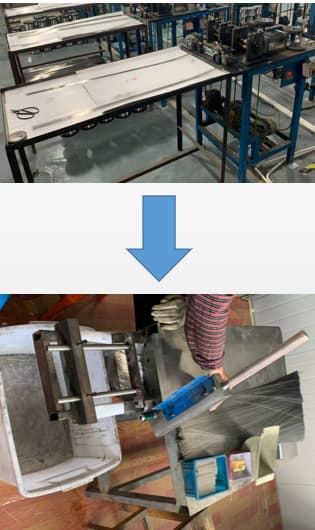
Step 1.1: Needle Forming—Without Tip Polishing
The first stage is the forming of the stainless steel needle body. The tip is not polished during this step.
Two machines are required for this stage.
Step 1.1.1: Straightening the Rolled Strip and Cutting It into 1-Meter Lengths
The first machine straightens the material supplied in rolls and prepares it in lengths of approximately one meter.
Production Information
- Production capacity: Approximately 24,000 pieces per 10-hour working day
- Machine power: 1 kW
- Labor requirement: One operator can manage approximately 20 machines
This step prepares straight and stable material for subsequent precision cutting.
Step 1.1.2: Cutting the 1-Meter Material to the Required Needle Length
The second machine cuts the prepared one-meter material according to the required acupuncture needle length.
Production Information
- Production capacity: Approximately 24,000 pieces per 10-hour working day
- Machine power: 1 kW
- Labor requirement: One operator can manage approximately 20 machines
Different needle lengths can be produced according to the specifications of the final acupuncture needle.
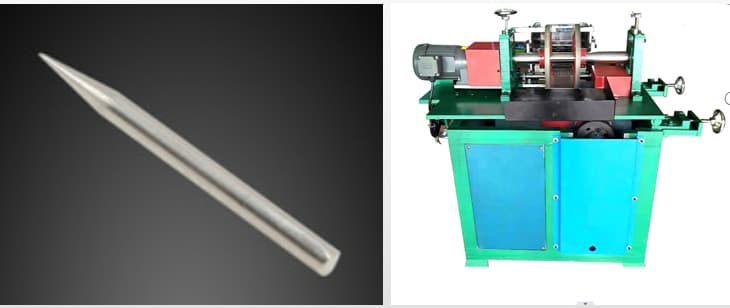
Step 1.2: Polishing the Needle Tip
After the needle body has been formed and cut, the needle tip must be polished.
This is a high-capacity production process, but it requires an experienced operator to maintain consistent tip quality.
Production Information
- Production capacity: Approximately 200,000 pieces per 10-hour working day
- Labor requirement: One operator can manage one or two machines
- Machine configuration: One needle size generally requires one dedicated machine
The polishing parameters must be carefully controlled because the sharpness, shape, and surface condition of the tip directly affect the final needle quality.
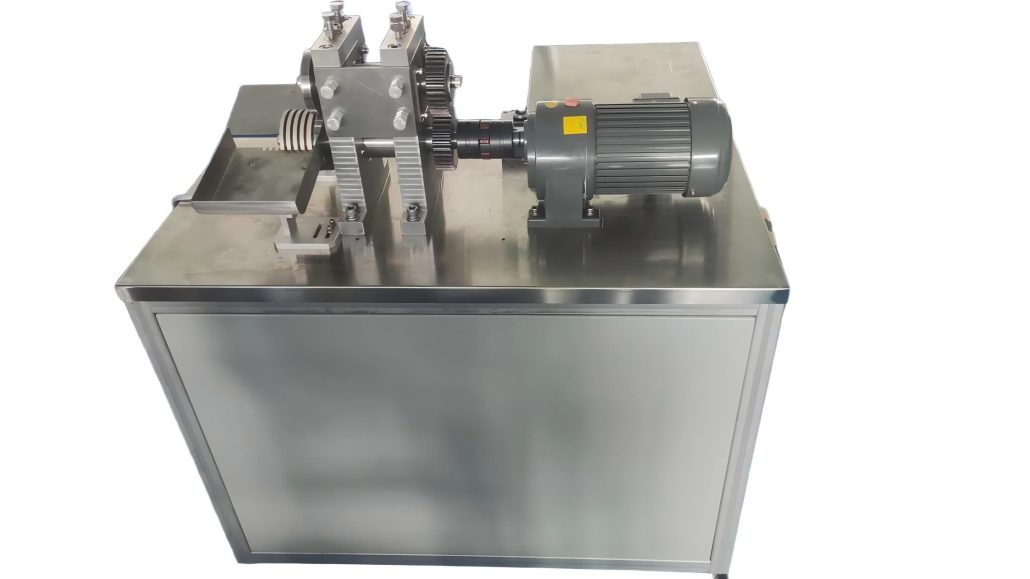
Step 1.3: Making Waves on the Needle Surface
Before assembling the copper spring handle, the needle surface must be treated.
A smooth needle surface may not provide sufficient holding force when the spring is assembled around the needle. Therefore, this machine creates a wave-shaped or roughened section on the needle body.
Purpose
The treated surface increases friction between the needle and the spring, helping the copper spring remain securely attached.
Production Information
- Production capacity: Approximately 400,000 pieces per day
- Labor requirement: One operator can manage approximately five machines
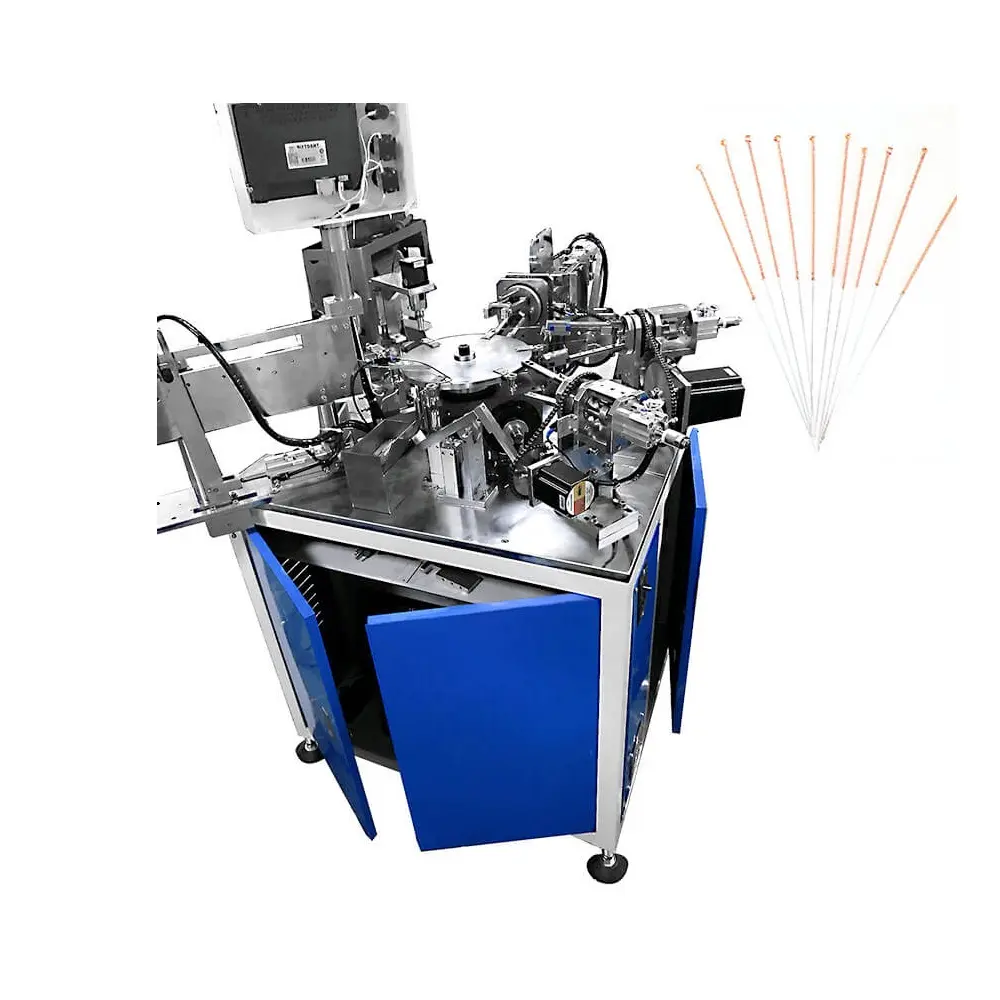
Step 1.4: Assembling the Needle and Copper Spring
In this step, the copper spring handle is assembled with the stainless steel acupuncture needle.
The machine forms copper wire into a spring around the needle. Product loading, positioning, or other supporting operations may require manual participation.
Production Information
- Machine speed: Approximately three pieces per minute
- Labor requirement: One operator can manage approximately six machines
Proper control of the spring-forming process is necessary to ensure that the copper handle is firmly attached and has a consistent appearance.
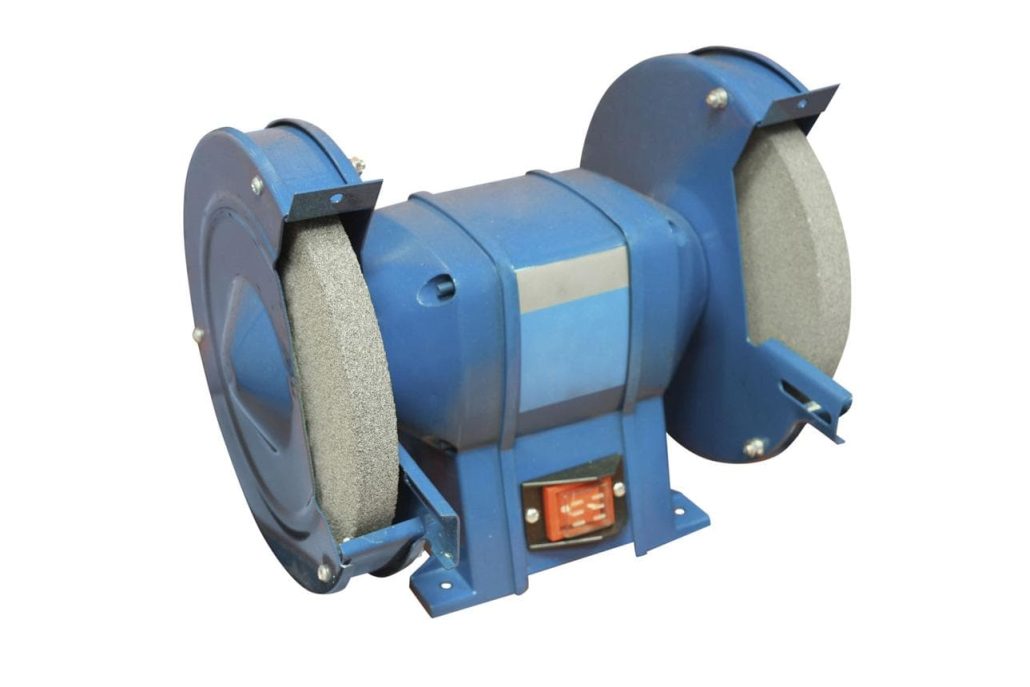
Step 1.5: Small Polishing Machine for Final Sharpening
After the needle and copper spring have been assembled, a small polishing machine is used for further sharpening or final tip adjustment.
This step helps improve the final sharpness and consistency of the acupuncture needle tip before cleaning and quality inspection.
Step 1.6: Cleaning Treatment
The assembled needles must be cleaned to remove oil, dirt, polishing residue, and other contaminants generated during production.
Step 1.6.1: Cleaning with an Alkaline Solution
An alkaline cleaning solution is used to wash the needles and remove dirt, oil, and processing residue.
Production Information
- Cleaning capacity: Approximately 1.3 million pieces per day
- Reference solution cost: Approximately USD 4 per kilogram
The cleaning parameters should be selected according to the needle material, contamination level, and production requirements.
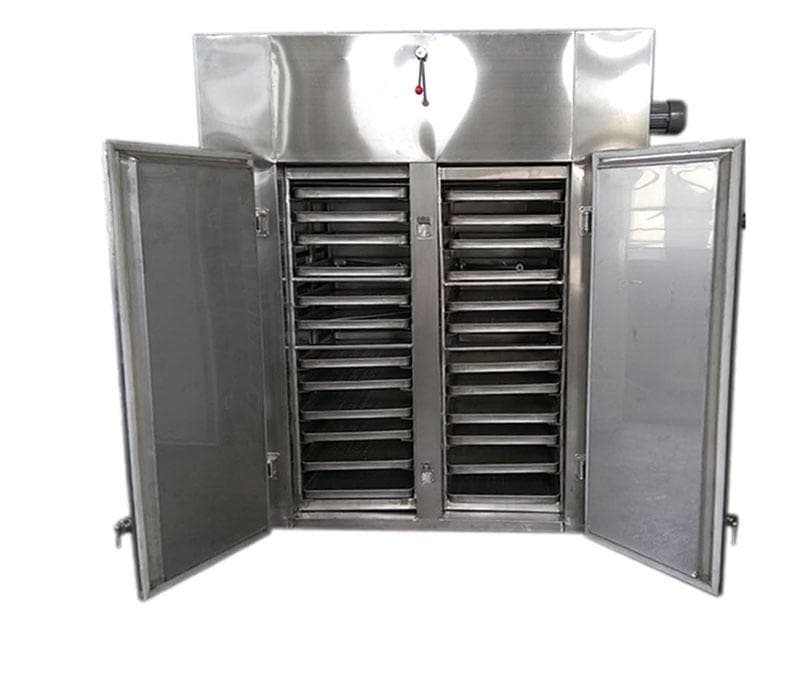
Step 1.6.2: Oven Drying
After cleaning, the acupuncture needles are placed in an oven for drying.
Purpose
The oven removes residual water from the needles and prepares them for inspection, oiling, and packaging.
Production Information
- Drying capacity: Approximately 1.3 million pieces per day
Complete drying is important because residual moisture may affect product cleanliness, surface condition, and subsequent packaging.
Step 1.9: Testing and Oiling
Testing and oiling are among the most important stages in the entire acupuncture needle production process.
The quality of this stage directly influences the quality of the finished needle.
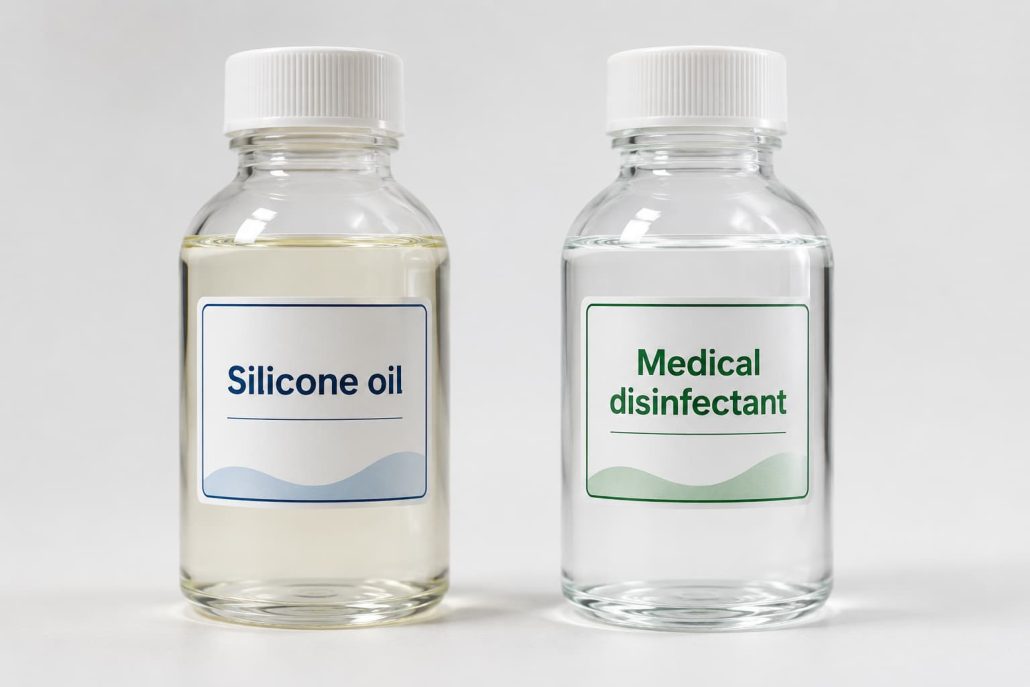
During inspection, defective needles are separated from acceptable products. The needles are then treated with medical alcohol and silicone oil according to the production process.
Main Purposes
- Identify and remove defective needles
- Check the tip and overall needle condition
- Improve cleanliness
- Apply silicone oil to support smooth needle performance
- Prepare qualified needles for packaging
Quality-control standards should be clearly established for tip sharpness, needle straightness, surface condition, spring-handle assembly, and overall appearance.
Step 2.1: Bag Packaging
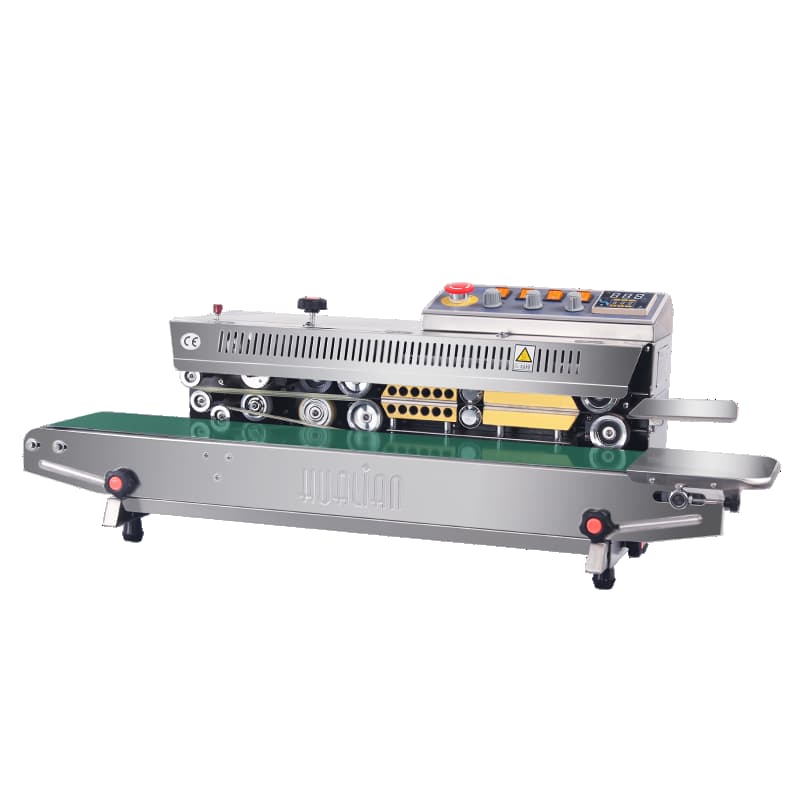
The bag packaging machine packs individual acupuncture needles or specified quantities into suitable packaging materials.
Production Information
- Production capacity: Approximately 180,000–200,000 pieces per day
The packaging material and sealing parameters should be selected according to the final product design and sterilization requirements.
Step 2.2: Blister Packaging
A blister packaging machine can also be used for acupuncture needle packaging.
Production Information
- Production capacity: Approximately 150,000 pieces per day
Blister packaging provides an organized product presentation and protects the acupuncture needle before sterilization, transportation, and use.
The blister dimensions, sealing material, printed backing paper, and needle arrangement can be customized according to the product specification.
Step 2.3: Printing and Heat-Shrink Packaging
After the primary packaging process, printing and heat-shrink equipment may be required.
Printing Machine
The printing machine is used to print production-related information, such as:
- Production date
- Expiration date
- Batch number
- Other required product information
The exact printed content depends on the customer’s packaging design and regulatory requirements.
Heat-Shrink Machine
The heat-shrink machine applies heat to shrink the packaging film around the packaged products.
This process helps secure the package and improve the appearance and stability of the finished product during storage and transportation.
Step 3: Ethylene Oxide Sterilization
After packaging, the acupuncture needles undergo ethylene oxide sterilization.
Ethylene oxide sterilization is used for packaged medical products that require low-temperature sterilization. The sterilization process must be developed and validated according to the product, packaging material, chamber loading method, and applicable regulatory requirements.
The sterilization stage normally includes:
- Product loading
- Ethylene oxide exposure
- Controlled temperature and humidity
- Gas removal
- Aeration
- Sterilization record management
- Final product release after required testing
Sterilization equipment and process validation should be provided or approved by qualified specialists.
Technical Training and Factory Support
A new acupuncture needle factory requires experienced production personnel because some operations—especially needle-tip polishing, testing, machine adjustment, and quality control—cannot be mastered through machine installation alone.
Hotlink can provide technical training and overseas engineering support.
Training in China
- Training period can be arranged according to project requirements
- The original project plan includes a one-year factory training option
- Reference training cost: USD 2,000
Engineer Support in the Customer’s Country
- Reference engineering service cost: USD 2,000 per month
- Approximately one month may be required to learn basic machine operation and product testing
Actual training periods and costs should be confirmed according to the project scope, number of machines, product specifications, and required production technology.
Why a Complete Acupuncture Needles Producing Line Is Important
Acupuncture needle manufacturing contains several closely connected processes. A quality problem in one operation can affect all subsequent stages.
For example:
- Inaccurate cutting affects final needle length
- Poor tip polishing affects sharpness
- Insufficient surface treatment affects spring-handle stability
- Incorrect spring assembly affects appearance and holding strength
- Incomplete cleaning leaves production residue
- Poor testing allows defective needles to enter packaging
- Incorrect packaging affects sterilization and product protection
For this reason, the machines, raw materials, processing parameters, testing standards, packaging materials, and sterilization method must be planned as one complete manufacturing system.
One-Stop Solution for an Acupuncture Needle Factory
Changzhou Hotlink Electronics Co., Ltd. can support customers in developing a complete acupuncture needles producing line, including:
- Needle wire straightening and cutting machines
- Needle forming equipment
- Needle-tip polishing machines
- Needle surface wave-forming machines
- Copper spring-forming and assembly machines
- Cleaning and drying systems
- Needle inspection and oiling processes
- Bag packaging machines
- Blister packaging machines
- Printing machines
- Heat-shrink packaging machines
- Raw materials and packaging materials
- Production training and technical support
The final equipment configuration depends on the acupuncture needle size, handle design, packaging format, required production capacity, and local regulatory requirements.
Hotlink — One-Stop Automation Solutions for Acupuncture Needle Manufacturing.
shape, and surface condition of the tip directly affect the final needle quality.

Looking for Stainless Steel Handle Acupuncture Needle Production Equipment?
Hotlink not only provides complete production lines for copper handle acupuncture needles, but also offers customized manufacturing solutions for stainless steel handle acupuncture needles.
Our one-stop solutions include:
- Stainless steel handle acupuncture needle production equipment
- Copper handle acupuncture needle production equipment
- Packaging machines
- EO sterilization support
- Raw material supply
- Production technology and training
- Factory planning and technical consulting
Whether you are establishing a new factory or expanding your existing production capacity, our engineering team is ready to help you build a complete acupuncture needle manufacturing solution. Contact us today to learn more.