
Nickel-Titanium (NiTi) Dental File Producing Line: Complete Manufacturing Process from Wire to Finished Product
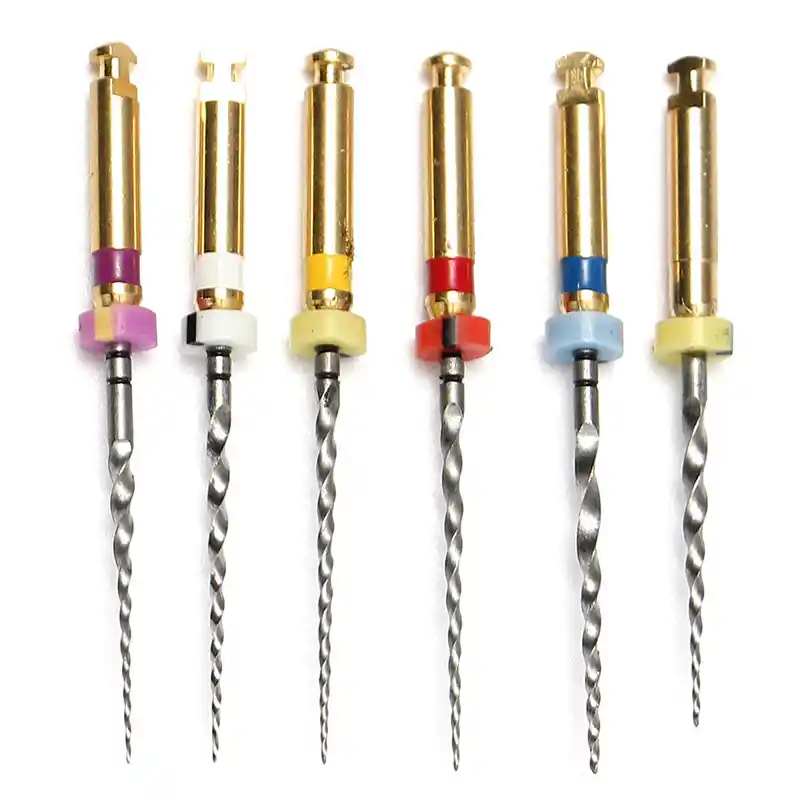
Nickel-Titanium (NiTi) dental files are precision instruments widely used in endodontic treatment to clean, enlarge, and shape root canals before filling. They are among the most critical instruments used during root canal therapy, requiring exceptional dimensional accuracy, mechanical strength, and surface quality.
A typical Nickel-Titanium (NiTi) dental file consists of three main components:
- Nickel-Titanium (NiTi) file
- Copper handle
- Silicone stopper (silicone ring)
The dental file handle is usually printed with a color identification mark, while the silicone stopper helps dentists control the working length during treatment.
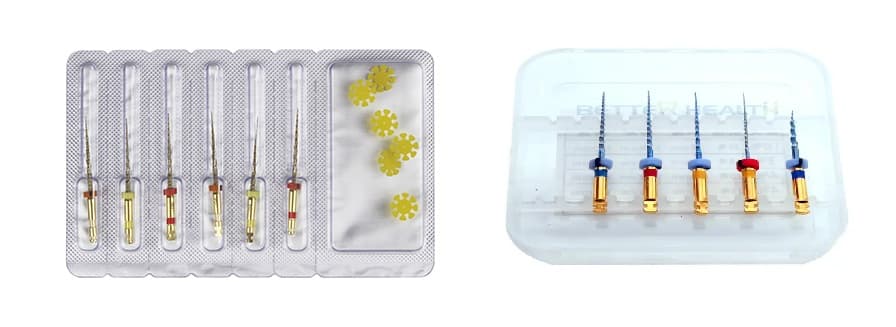
Most manufacturers package the files in boxes of 6, 5, or 8pcs, with each file identified by ISO color coding and size markings.
Complete Nickel-Titanium (NiTi) Dental File Producing Line
A complete dental file producing line includes four major sections:
- Dental File Manufacturing
- Dental File Handle Manufacturing
- Dental File Assembly
- Inspection and Packaging For Dental File
Each dental file manufacturing stage requires dedicated equipment designed for high precision and repeatability.
Part 1 – File Manufacturing Of Dental File Producing Line
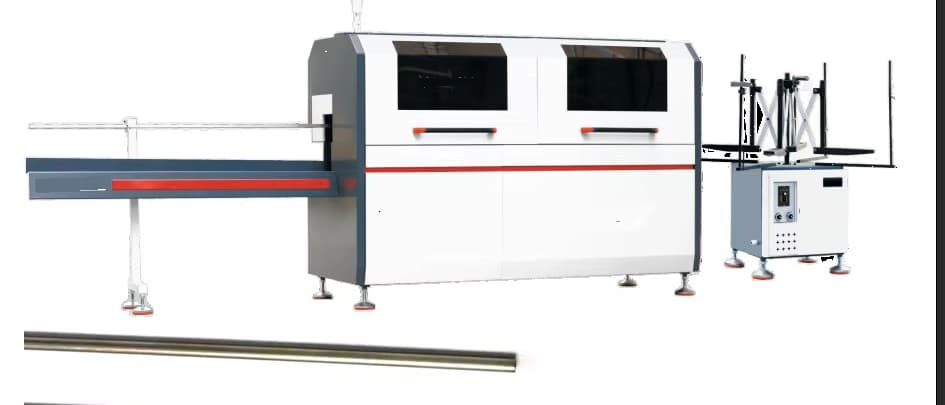
Step 1 – Wire Cutting For Dental File
The production process begins with Nickel-Titanium (NiTi) wire.
A customized Wire Cutting Machine cuts the wire into the required lengths, typically 6 m or 8 m, depending on the production process.
Accurate cutting length is essential for maintaining consistency during subsequent machining operations.
Step 2 – File Grinder For Dental File Making
There are two common manufacturing methods.
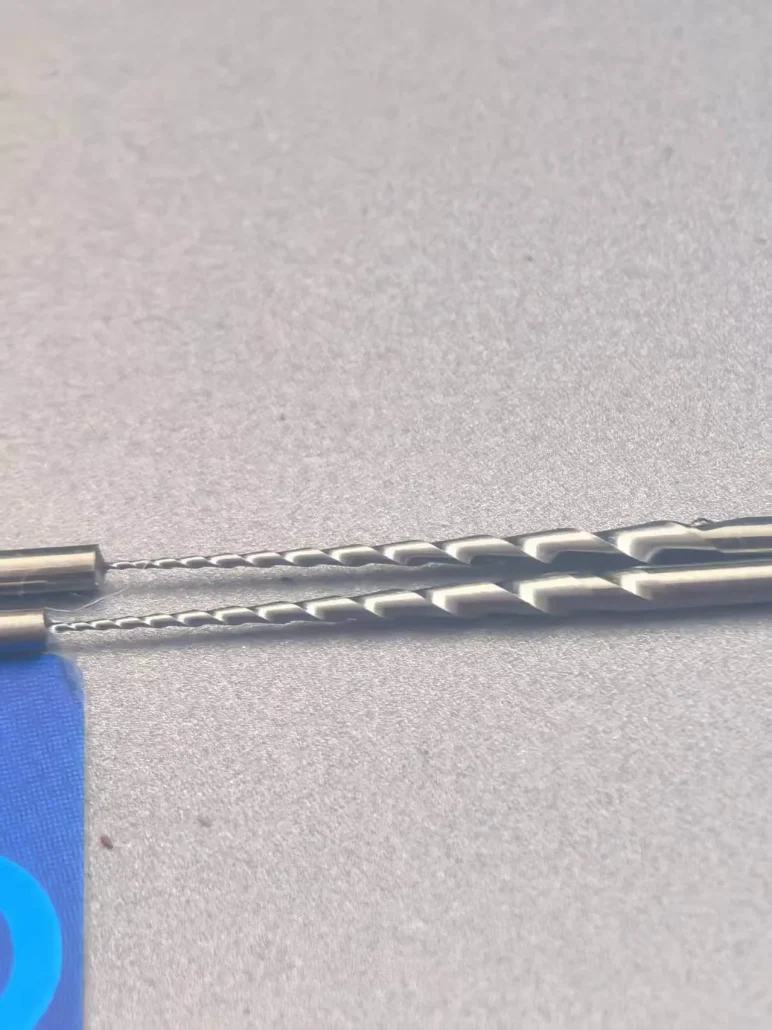
Method A – Direct Dental File Grinder
The wire is loaded into a dedicated dental file grinder machine, where the cutting flutes are formed by the grinder.
After machining, excess material remains attached and is manually removed before the next process.

Method B –Dental File CNC Grinding + Grinding Machining
For higher-end dental files, production is more sophisticated.
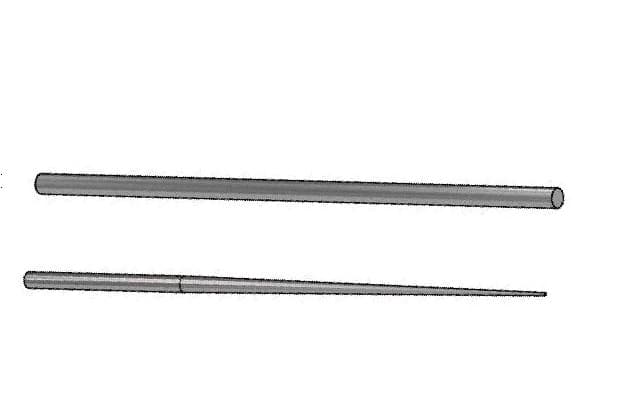
The file blank is first machined on a precision CNC grinding lathe to form the tapered tip.
A dedicated dental file machine then produces the helical flutes with precise pitch, depth, and geometry.
This method offers improved dimensional consistency and grinding performance.
Step 3 – Tip Shaping and Polishing Machine For Dental File
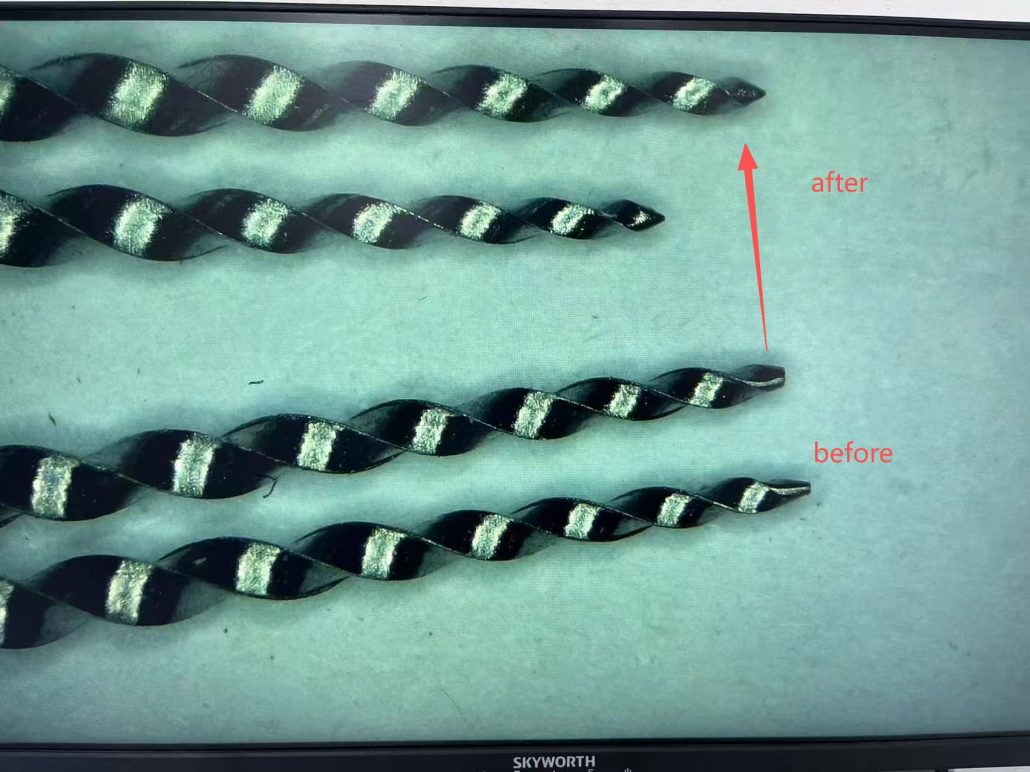
After the file is made by a grinder, the tip of the dental file is shaped and polished using a dedicated polishing machine. This process produces a smooth, sharp tip and improves the consistency of the subsequent flute machining process. The geometry and surface finish of the tip are critical to the performance and quality of the finished dental file.
Step 4 – Taper Inspection For Dental File
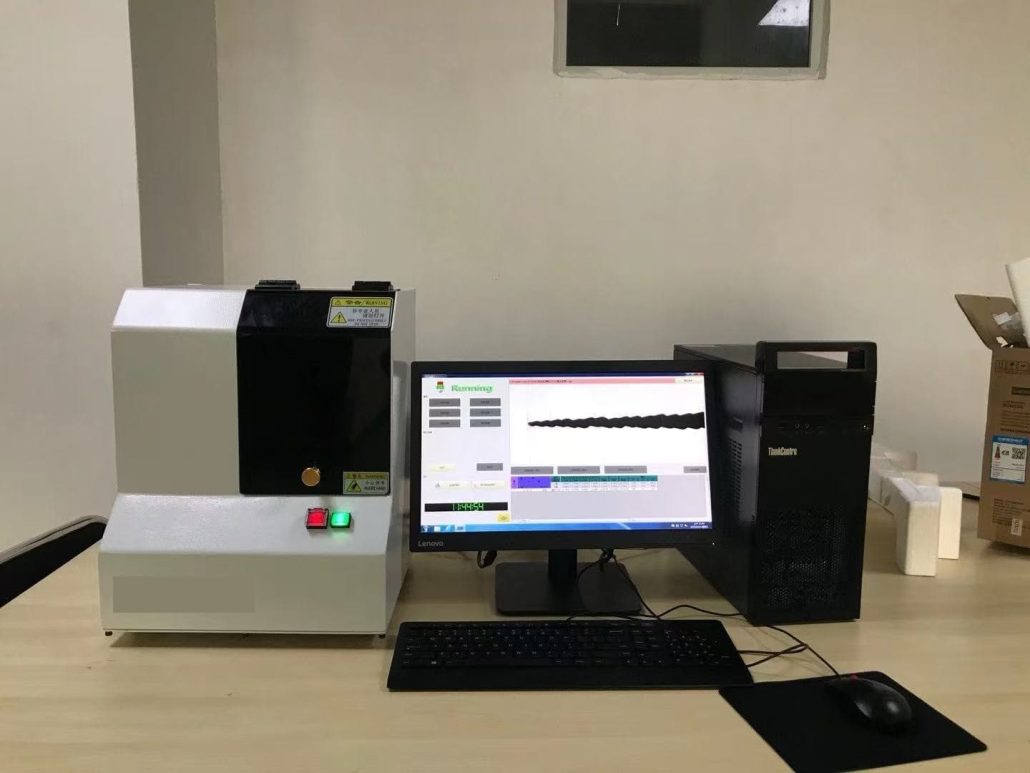
The taper of each file is one of the most critical quality parameters.
A Dental File Testing Machine measures:
- Taper
- Diameter
- Length
- Tip dimensions
- Surface quality
Both manual inspection systems and fully automatic inspection machines are available.
These inspection systems are generally compatible with dental files manufactured from different materials.
Step 5 – End Chamfering For Dental File
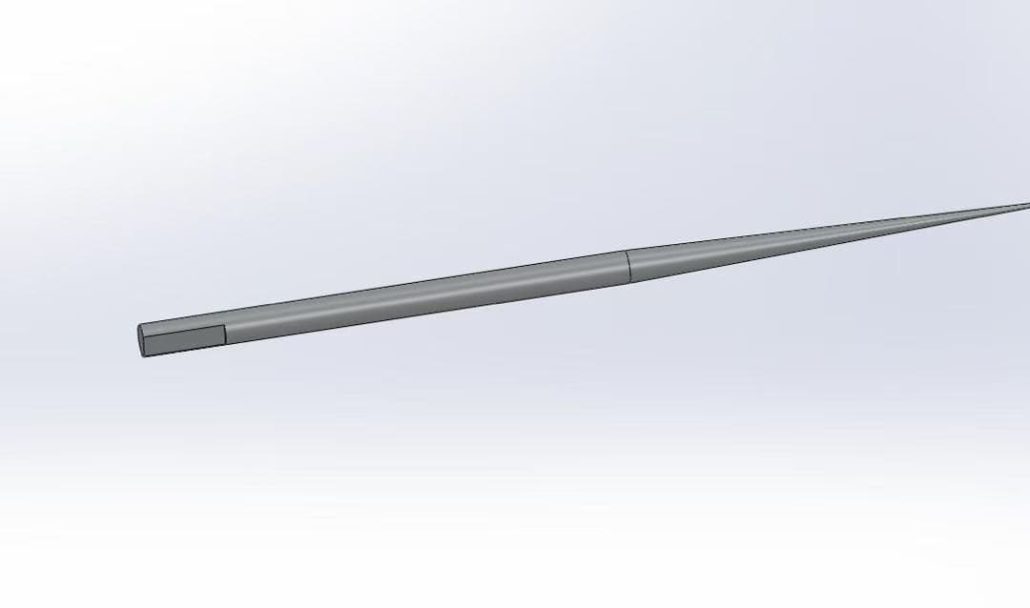
The rear end of the file is chamfered to facilitate smooth insertion into the handle during the assembly process.
This operation improves assembly efficiency while reducing the risk of damage during handle insertion.
Step 6 – Ultrasonic Cleaning For Dental File Producing Line
After the file machining process is completed, the dental files are transferred to an Ultrasonic Cleaning Machine for thorough cleaning.
High-frequency ultrasonic waves effectively remove metal chips, machining debris, polishing residue, and other contaminants remaining on the file surface and within the flutes.
This cleaning process helps ensure that every dental file is free from residual particles before heat treatment, assembly, and final inspection. A clean surface also improves product quality, process consistency, and compliance with the stringent cleanliness requirements of the medical device industry.

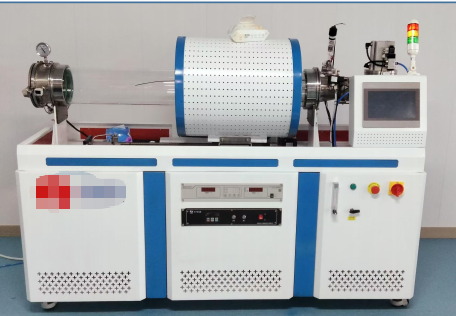
Step 7 – Vacuum Heat Treatment For Dental File Producing Line
The finished file blanks undergo vacuum heat treatment to optimize their mechanical properties.
A Vacuum Heat Treatment Furnace provides:
- Controlled heating
- Uniform cooling
- Improved hardness
- Enhanced fatigue resistance
- Better dimensional stability
Heat treatment is particularly important for ensuring consistent clinical performance.
Part 2 – Dental File Handle Manufacturing
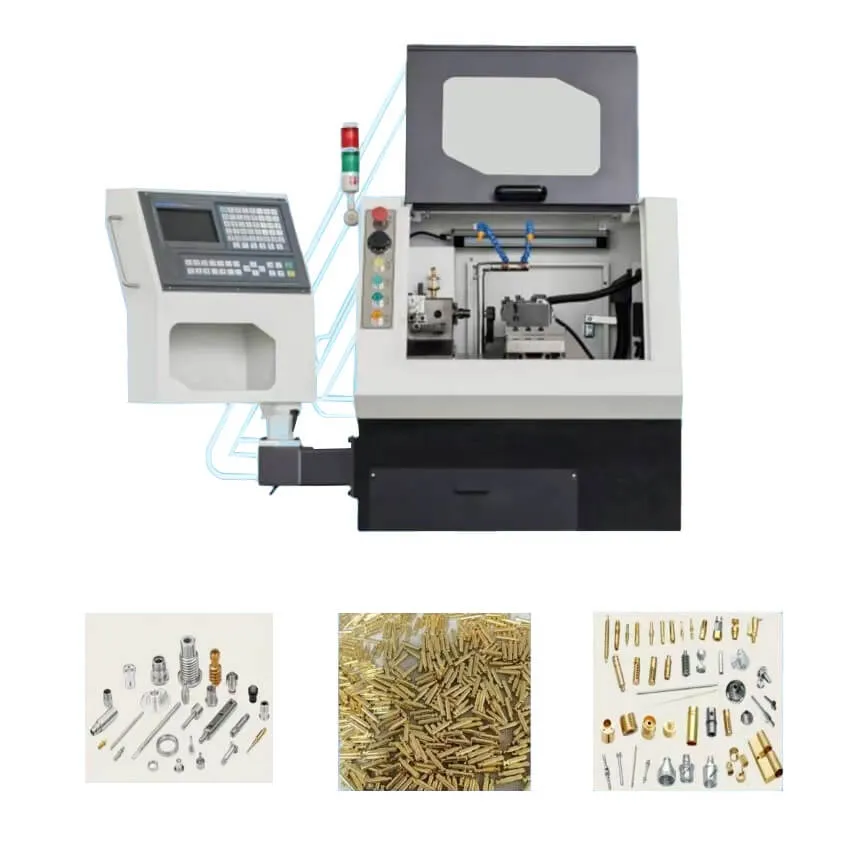
The copper handle is manufactured separately.
Today, specialized handle machining equipment is widely available, allowing manufacturers to produce high-precision handles with excellent dimensional consistency and surface finish.
Part 3 – Silicone Stopper Preparation
Silicone stoppers are typically supplied as continuous silicone tubing.
The tubing is automatically cut into individual rings during the assembly process, eliminating the need for separate stopper preparation.

Part 4 – Dental File Producing Line step–Assembly
Manufacturers can choose between modular assembly equipment or fully integrated assembly systems.
Option 1 – Modular Dental File Assembly Line
Individual machines perform separate operations:
- Handle and file assembly
- Silicone tube cutting
- Silicone stopper insertion
- Handle color printing
- Laser marking
This configuration offers flexibility and is suitable for lower production volumes or customized manufacturing.

Option 2 – Fully Integrated Nickel-Titanium (NiTi) Dental File Assembly Machine
A fully automated assembly machine combines all major assembly processes into a single production cell.
The system automatically performs:
- File and handle assembly
- Silicone tube feeding
- Automatic silicone ring cutting
- Silicone stopper installation
- Color ring printing on the handle
- Laser marking of identification lines on the file
- Finished product discharge
This integrated solution significantly improves productivity while reducing manual labor and ensuring consistent assembly quality.
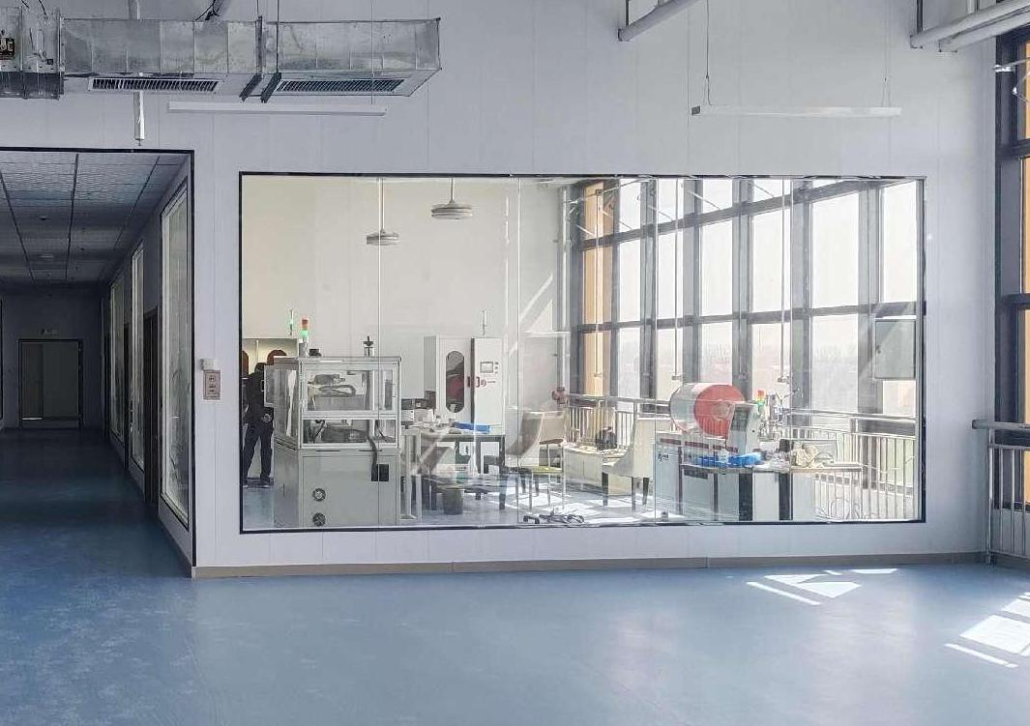
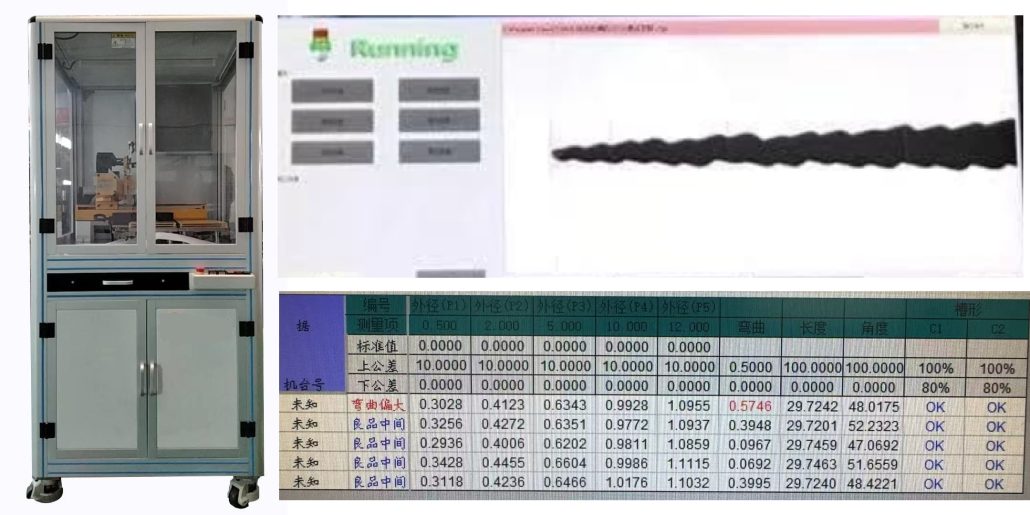
High-Precision Vision Inspection for Endodontic Files Dental File
Quality inspection is one of the most critical stages in the manufacturing of endodontic files. Our Root Canal File Inspection Machine combines advanced machine vision with precision measurement technology to deliver fast, reliable, and highly repeatable inspections.
The system can operate in either fully automatic or semi-automatic mode and is capable of inspecting multiple key parameters, including outer diameter, concentricity, tip geometry, taper, profile accuracy, and overall dimensional consistency.
By providing real-time inspection data and automatically rejecting defective products, the machine helps manufacturers improve production efficiency, reduce inspection costs, and ensure every endodontic file meets the demanding quality standards of modern dental instrument manufacturing.
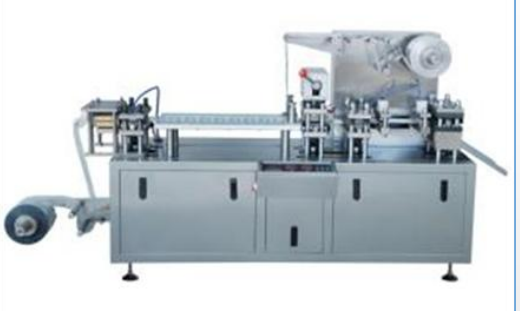
Dental File Packaging
Packaging is the final manufacturing step.
Most Nickel-Titanium (NiTi) dental files are packed in sets of six, ready for sterilization or final distribution.
Although the packaging process appears straightforward, stable feeding is critical.
Common packaging issues include:
- Multiple files entering a single package
- Empty packages
- Missing products
- Incorrect counting
Selecting a reliable automatic packaging machine is therefore essential to ensure packaging accuracy and production efficiency.
A Complete Intelligent Dental File Producing Line Manufacturing Solution
A modern Nickel-Titanium (NiTi) Dental File Producing Line integrates precision machining, automated assembly, vision inspection, laser marking, and intelligent packaging into a continuous manufacturing process.
By combining dedicated production equipment with automated quality control, manufacturers can significantly improve production efficiency, product consistency, and traceability while meeting the demanding quality standards of the global dental instrument industry.
